Pre-Storage Cleaning: Removing the Hidden Corrosives
Never put a classic car away dirty. Even a seemingly benign layer of autumn road film contains acidic tree sap, mineral brake dust, and early traces of road salt. If left sitting against paint or brightwork over six months of static storage, these deposits etch into cellulose lacquer and pit chrome plate.
Give the car a meticulous wash, paying exceptional attention to the underside: wheel arches, inside bumper returns, suspension subframes, and sill drain holes. After washing, do not simply park the car immediately. Take it on a brisk 20-minute drive, bringing brakes and exhaust systems up to operating temperature. This bakes out standing water from muffler baffles, heat shields, and brake disc ventilation holes where rust loves to start.
Fuel and Fluid Management for Extended Dormancy
Fuel preservation has become significantly more challenging over the past decade due to ethanol blending. Ethanol is hygroscopic; over months of rest, it binds with moisture from the air and drops to the bottom of the fuel tank in a corrosive sludge known as phase separation.
Before tucking the car away, fill the tank almost to capacity with high-octane, ethanol-free specialist fuel, leaving just enough expansion room for temperature shifts. Add a high-quality fuel stabilizer and run the engine for at least ten minutes so the treated fuel circulates through the fuel pump, filters, carburettor bowls, and injector nozzles.
The Fallacy of the Five-Minute Garage Idle
One of the most persistent—and harmful—myths among collector car owners is starting the engine every two weeks and letting it idle for five minutes inside the garage. This does far more harm than good. At idle, the exhaust never reaches sufficient temperature to boil off internal water, and rich cold-start mixtures wash lubricating oil from cylinder walls while dumping raw moisture into the exhaust system. Unless you can take the car on a genuine 30-minute road drive under load, leave the engine asleep.
Interior Preservation and Moisture Management
Cold Alpine air outside often contrasts with damp air inside vehicle cabins. If a damp carpet mat is left sealed in a car, mold spores will colonize wool headliners and Connolly leather within two months.
- Desiccant Packs: Place reusable silica gel moisture-absorbing boxes inside the footwells and luggage compartment. Monitor them periodically and bake them dry if indicated.
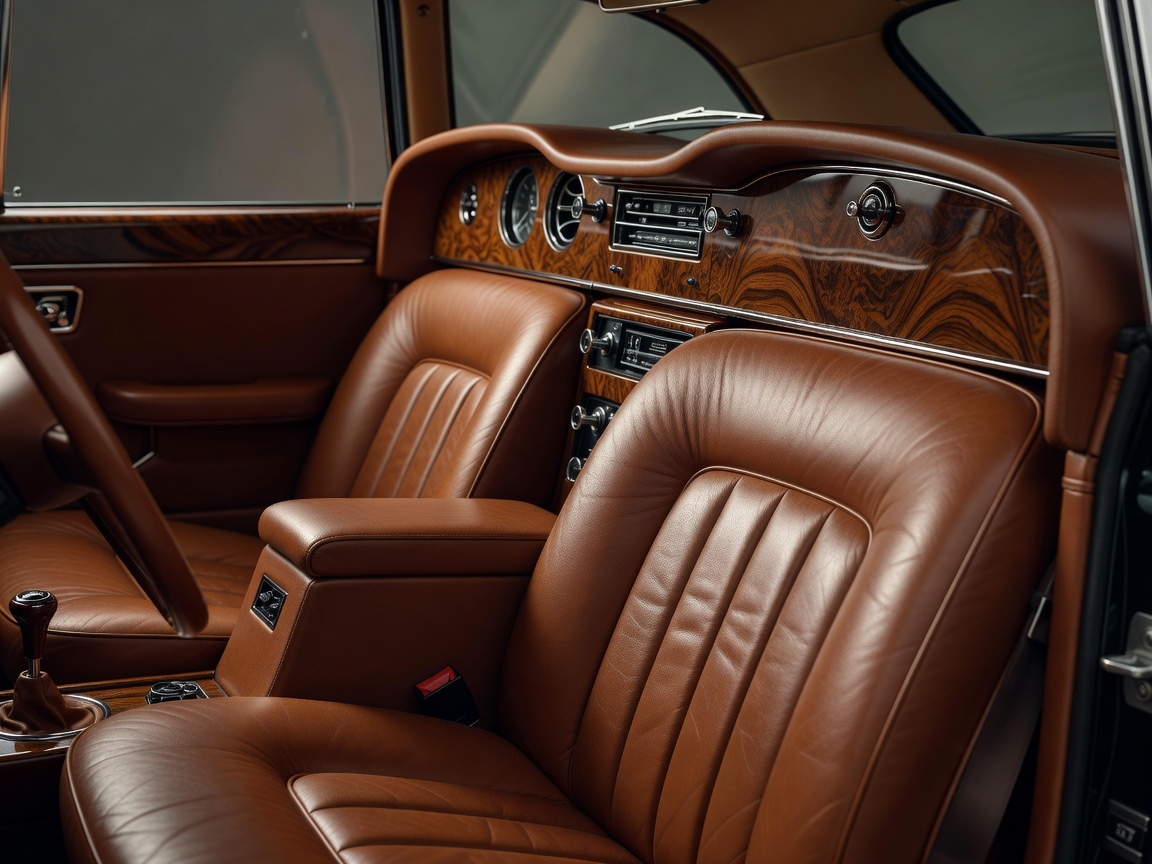
- Leather Conditioning: Apply a light coat of pH-neutral leather feeding cream four weeks before storage, allowing it to penetrate deeply. Wipe away any oily residue so dust doesn't adhere.
- Rubber Weatherstrips: Treat door, window, and boot rubber seals with pure silicone lubricant or glycerine. This prevents the seals from sticking to metal frames and tearing when doors are reopened in spring.
| Preservation Step | Procedure | Why It Matters |
|---|---|---|
| Fuel Tank Stabilization | Top with ethanol-free fuel + stabilizer, run 10 mins. | Prevents tank internal condensation and carburettor varnish fouling. |
| Tyre Pressure Elevation | Increase pressure by +0.3 to +0.5 bar, place on tyre cradles. | Counteracts flat-spotting and carcass deflection over static months. |
| Brake & Clutch Isolation | Leave handbrake disengaged; use wooden wheel chocks. | Prevents brake shoes from bonding to drums and cables from binding. |
| Battery Float Connection | Connect intelligent temperature-compensated tender. | Preserves plate health and maintains volatile ECU/clock memory safely. |
| Intake / Exhaust Plugs | Insert breathable wire-mesh caps into tailpipes and snorkel. | Bars mice and vermin from entering air boxes and building nesting nests. |
The Spring Awakening: Thoughtful Recommissioning
When Alpine passes finally open and the salt has been washed from the tarmac by spring rains, don't rush to crank the starter. Recommissioning should be deliberate and methodical:
Remove exhaust and intake plugs. Check all fluid reservoirs for weeping. Re-adjust tyre pressures back to recommended operating specs. For high-value or long-dormant engines, disconnect the ignition coil or fuel pump relay and crank the starter for two 10-second bursts to build oil pressure before allowing combustion. Once running, let the engine warm naturally, verify oil pressure gauge readings immediately, and test brake pedal firmness before easing out of the bay.
Ready to formalize your seasonal checklist?
Explore our comprehensive storage planning guide to coordinate service providers, facility access, and vehicle logbook entries with total confidence.