Why Static Maintenance Must Be Planned, Not Reactive
Most classic car owners are familiar with the sinking feeling of pulling open a garage door on the first sunny Sunday of May, only to find a flat pedal, a stubborn starter solenoid, or a puddle of fresh coolant under the water pump. Reactive maintenance turns what should be an invigorating mountain climb into a frustrating morning with a tow truck.
Planned custodial maintenance flips this script. Rather than waiting for a mechanical system to announce its failure by leaking or seizing, we establish an intentional cadence of scheduled physical inspections. Even when a vehicle covers fewer than 1,000 kilometres a season, its internal fluids are undergoing chemical shear and moisture absorption.
Battery Stewardship: Beyond Cheap Trickle Chargers
One of the fastest ways to shorten the lifespan of an expensive classic battery—or worse, cook electrical harnesses—is relying on an unmonitored budget trickle charger. Standard trickle chargers supply constant low-level current regardless of battery internal resistance, leading to electrolyte boiling in lead-acid units or premature plate sulfation.
A true multi-stage micro-processor float tender is essential. It cycles through bulk charging, absorption, float conditioning, and pulse desulfation. In Alpine environments where winter facility temperatures drop to 5°C or lower, battery chemical reactions slow considerably. Selecting a float charger with temperature compensation ensures charging voltage increases proportionally in cold air, keeping cold cranking capacity intact.
The Brake Hydraulic Trap
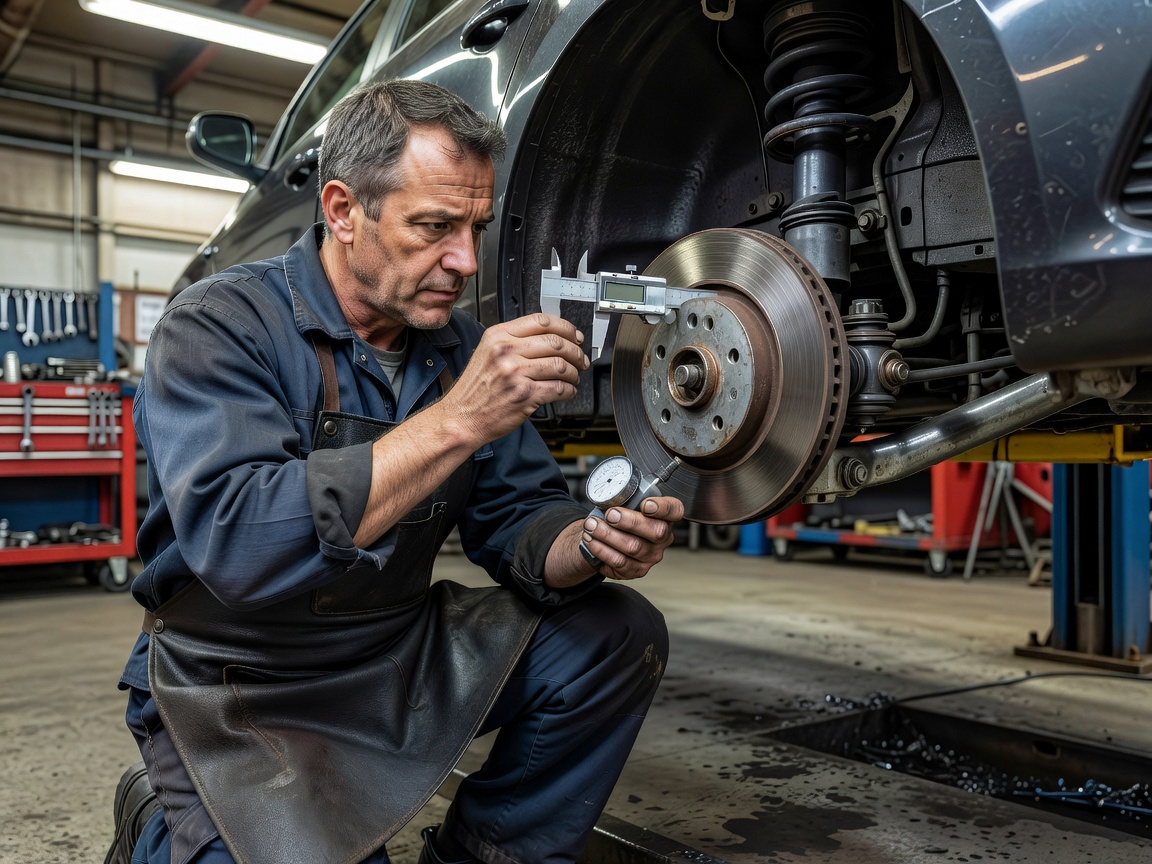
Conventional DOT 3 and DOT 4 glycol-based brake fluids are aggressively hygroscopic—they pull ambient humidity right through microscopic pores in flexible rubber hoses. Over 18 months of storage, water accumulates at the lowest mechanical points: the brake calipers. The result? Corroded piston bores and sudden pedal fade during descent from a mountain pass. Fluid flushing every two years is a non-negotiable safety priority.
Fluids, Seals, and Rubber Components
When an internal combustion engine runs, by-products of combustion (sulfur dioxide, unburned hydrocarbons, moisture) blow past piston rings and enter the sump. If old oil is left in an engine during long winter storage, these compounds turn acidic, pitting crankshaft journals, camshaft lobes, and copper-lead bearing shells.
- Engine Oil: Always change the oil and filter immediately *before* entering extended storage, not in the spring. Entering hibernation with clean, fresh oil coats journals with protective anti-corrosion additives.
- Coolant Concentration: Check both corrosion inhibitor strength and glycol frost rating using an optical refractometer. Alpine storage buildings can experience unheated temperature drops; weak coolant risks cracked engine blocks.
- Carburettor Seals & Diaphragms: Modern ethanol-blended petrol (E5 and E10) aggressively degrades vintage nitrile and neoprene rubber diaphragms. Stabilizing fuel and selecting ethanol-free high-octane fuels for storage is vital.
| Inspection Routine | Cadence | Key Inspection Targets |
|---|---|---|
| Static Fluid & Pressure Sweep | Monthly | Battery tender status light, tyre pressure retention, visual inspection underneath for fresh fluid drops. |
| Hydraulic Exercise & Rotation | 6–8 Weeks | Depress clutch and brake pedals repeatedly; gently roll vehicle 30cm to relocate tyre contact patch. |
| Mechanical Systems Inspection | Biannual | Inspect suspension ball joints, steering rack gaiters, fuel hose pliability, check coolant specific gravity. |
| Full Fluid Flush & Safety Audit | 24 Months | Full brake hydraulic bleed, coolant flush, gearbox and differential level check, ignition timing verification. |
Coordinating with Qualified Marque Specialists
No single mechanic is a master of pre-war magneto systems, 1960s Lucas mechanical petrol injection, and 1980s Bosch Motronic digital engine management. High-level custodial care means acting as a practical project coordinator between your storage base and verified marque craftsmen.
Keep a dedicated binder inside the car and a backed-up digital archive of every service invoice, dyno run sheet, alignment spec, and parts replacement receipt. When sending a car for major service, provide the technician with clear written historical context. Clear provenance records don't just maintain vehicle value—they keep troubleshooting times and diagnostic costs strictly under control.
Planning seasonal handover or transport?
Ensure your machine is properly documented, safely prepped, and ready for transit to your preferred specialist atelier before Alpine winter weather closes mountain routes.