What Truly Makes Storage Suitable for Collector Cars?
Most commercial storage spaces are engineered for pallets, furniture, or utility trailers. They boast poured concrete floors, uninsulated metal cladding, and minimal air exchange. For a daily commuter with zinc-galvanized panels and sealed electronic connectors, that might suffice. For a 1960s monocoque with cellulose paint, natural horsehair seat stuffing, and exposed brass switchgear, that exact same space can become a moisture trap.
A genuinely suitable storage environment must satisfy three distinct physical criteria: steady thermal inertia, continuous gentle air circulation, and moisture vapor control. Without continuous air circulation, pockets of stagnant damp settle under wheel wells and inside sills, creating localized galvanic corrosion even when the room thermometer looks perfectly agreeable.
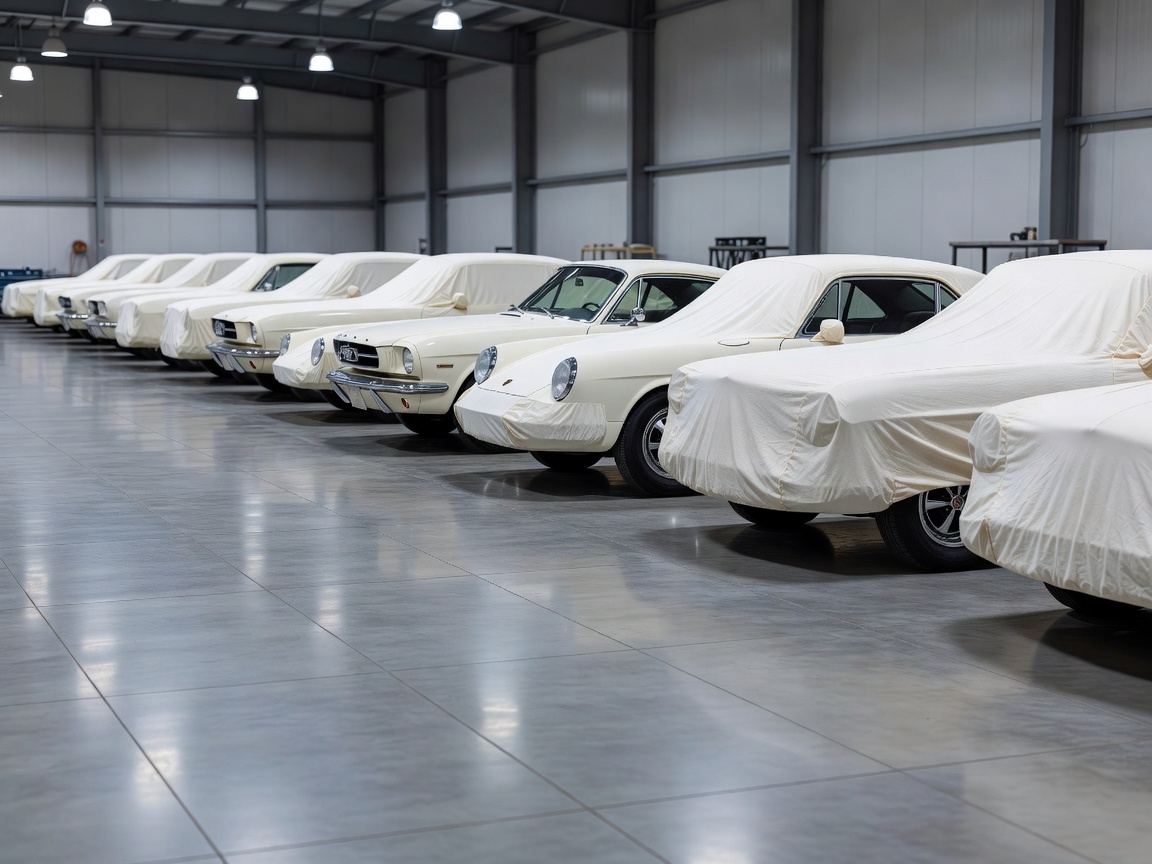
Indoor Versus Outdoor Custody: An Unforgiving Comparison
Let's be frank: leaving a classic car outdoors—even under heavy-duty multi-layer canvas or a timber lean-to—is an invitation to steady heartache. Outdoor temperature swings create immediate condensation under waterproof tarpaulins. Moisture evaporates off the damp ground, gets trapped under the cover, and condenses directly on cold chrome and unpainted steel suspension arms.
Indoor custody eliminates direct ultraviolet breakdown, hail damage, and driving rain. However, not all indoor spaces are created equal. An unheated corrugated shed can experience rapid internal condensation cycles when a warm Alpine foehn wind pushes through a cold valley. A stone or insulated building acts as a thermal ballast, dampening dramatic swings and giving dehumidifiers time to manage the absolute moisture volume.
The Humidity Sweet Spot
Aiming for zero percent humidity is just as damaging as excessive damp. If relative humidity drops persistently below 40%, natural wood veneers, leather hides, and natural rubber window seals dry out and crack. Aim for a balanced 48% to 55% relative humidity range. It halts iron oxidation without desiccating delicate vintage interior trim.
Security Considerations Beyond the Deadbolt
Classic car security is rarely about smash-and-grab theft; it is about discrete physical access, perimeter logging, fire suppression, and rodent prevention. Rodents are arguably the single most ruthless destroyer of stored collector cars. Unheated barns with hay or grain stores nearby will almost inevitably introduce mice into dashboard looms and air intakes within weeks.
- Perimeter Vermin Barriers: Physical mesh barriers over ventilation ducts and deliberate ultrasonic or non-chemical deterrents around storage perimeters.
- Sensible Fire Protocol: Clear access paths, certified dry-chemical or clean-agent extinguishers suited for classic fuel and electrical systems (avoiding corrosive water sprinklers where clean agent alternatives are viable).
- Discreet Location: High-profile exterior branding attracts unnecessary curiosity. The most reliable custody ateliers maintain neutral, unadvertised exteriors.
| Storage Approach | Primary Advantages | Primary Risks / Trade-offs |
|---|---|---|
| Insulated Dedicated Bay | Stable temperatures, zero UV, controlled air movement, high security. | Higher capital or monthly commitment; requires advance reservation. |
| Private Domestic Garage | Immediate personal access, zero transit time for casual weekend runs. | Often suffers from frequent door opening, household clutter, damp garden tools. |
| General Industrial Unit | High ceiling heights, spacious floorplans, accessible access roll doors. | Prone to rapid heat/cold cycles, poor dust isolation, mixed-tenant risks. |
| Outdoor Carport / Canopy | Lowest immediate expense, easy drive-in access. | Severe condensation risk, temperature extremes, rodent and bird exposure. |
Vehicle Positioning and Static Protection
How the car sits on the ground during its rest is surprisingly critical. Leaving tyres resting on bare, unsealed damp concrete draws moisture directly into steel tyre cords and causes localized flat-spotting on vintage bias-ply or early radial compounds.
We advocate rolling the car onto high-density curved tyre cradles or firm rubber tiles. Inflating tyres an extra 0.3 to 0.5 bar above operating pressure helps maintain carcass roundness over static weeks. Never leave the mechanical handbrake engaged during long rests; shoes can bond to drum linings or caliper pads can seize to rotors. Instead, use precision wheel chocks on level ground.
Lastly, keep the side windows cracked open by approximately 10 to 15 millimetres (provided the environment is clean and rodent-proof) to allow interior air exchange and prevent moisture from stagnating inside the cockpit cabin.
Need to structure your storage plan?
Whether preparing for a six-month winter hibernation or organizing multi-car logistics across the Graubünden or Valais passes, careful preparation saves thousands in spring restorative repairs.