Enclosed Versus Open Transport: The Reality of Mountain Transit
An open multi-car hauler might be acceptable for delivering fleet saloons to an airport depot, but for a classic car navigating the Alps, it is an unnecessary gamble. Alpine transit exposes open vehicles to high-velocity stone chipping, industrial de-icing salt sprays, diesel soot plumes inside long base tunnels (like the Gotthard or San Bernardino), and sudden mountain hail squalls.
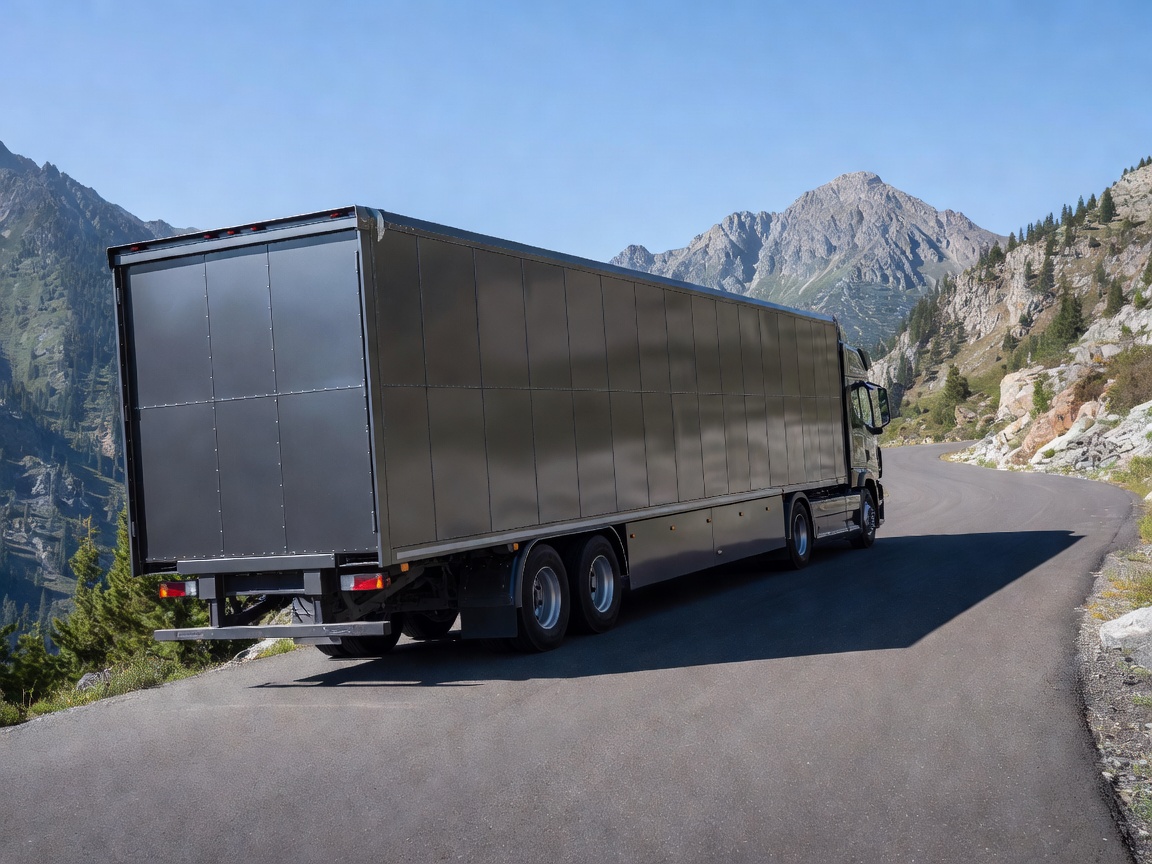
Enclosed transport provides complete environmental isolation. The vehicle is protected inside a rigid, climate-buffered container. Furthermore, enclosed transport guarantees absolute discretion. High-value historic machinery remains entirely hidden from public view during overnight driver rest stops, customs clearance halts, and fuel refills.
Loading Angles, Overhangs, and Winching Protocols
Many vintage cars—particularly 1960s low-profile coupés and thoroughbred sports racers—have lengthy front overhangs and ground clearances below 100mm. Standard flatbed ramp angles will shear off lower valances, bend exhaust tips, or high-center sills on trailer beavertails.
Proper transport planning requires either hydraulic bed tilt-beds or specialized race-ramp extensions that drop the approach angle below 4 degrees. Furthermore, classic cars should ideally be winched onto the transporter using soft axle straps rather than driven under their own clutch power up a steep incline. Riding a vintage dry-plate clutch up a trailer ramp can glaze friction linings and generate sudden clutch shudder.
Altitude and Carburettor Float Levels
When transporting a vehicle from sea level to an Alpine valley at 1,800 meters elevation, the atmospheric pressure drops significantly. Unvented fuel tanks can build pressure, and sensitive carburettor needle-and-seat valves can weep fuel into intake manifolds if the transport experiences severe mechanical road vibration. Always isolate the fuel tap or run the carburettor float chambers empty before securing the vehicle.
Route Planning: Mountain Passes versus Rail and Tunnel Bypasses
During summer months, scenic mountain passes like the Julier, Bernina, or Furka are thrilling. But hauling a loaded 3.5-tonne or 7.5-tonne enclosed rig through tight hairpin switchbacks presents serious thermal stress on trailer brakes and transmission coolers.
- Seasonal Closures: Alpine high passes routinely close from mid-October through late May. Logistics coordinators must verify pass conditions daily or utilize year-round rail car-shuttles (Autoverlad through the Albula, Vereina, or Furka).
- Brake Heat Management: Mountain descents generate immense heat in towing systems. Transporters must utilize engine retarders and inspect trailer brake drums regularly.
- Winter Salt Awareness: Even if roads appear dry in early November, Alpine highway maintenance teams spread magnesium chloride and heavy road grit at the slightest frost alert. Complete wheel-arch washing upon arrival is mandatory.
| Transport Method | Ideal Use Case | Critical Precautions |
|---|---|---|
| Enclosed Dedicated Single-Car Hauler | Priceless prototypes, pre-war machinery, low ground-clearance GTs. | Ensure tail-lift or tilt-deck approach angle is documented and confirmed. |
| Enclosed Multi-Car Transporter | Interstate rallies, multi-car private collections moving seasonally. | Verify loading sequence so your car is not repeatedly moved or unstrapped in transit. |
| Open Dedicated Flatbed | Short valley-to-valley transfers in stable dry summer conditions. | Never wrap with loose nylon tarps; flapping fabric scuffs and dulls vintage lacquer. |
| Rail Car-Shuttle (Autoverlad) | Crossing major mountain massifs during winter snowstorms. | Ensure secure parking brakes and chocks; verify rail wagon width limits. |
Inspection Documentation: The Handover Protocol
Never release a collector car to a transport driver without a comprehensive, two-party signed condition report. Walk the vehicle together in bright, indirect natural light. Note every minor stone chip, glass bubble, wheel rim scuff, or existing oil weep. Take timestamped, high-resolution photographs of all four corners, rocker panels, and underside air splitters.
Upon delivery at the destination atelier, repeat the exact same walk-around before the transport truck departs. Check the odometer, battery isolation switch, and inspect the roof line for any sign of internal trailer clearance contact. Clear documentation protects everyone and maintains cordial relationships between owners and carriers.
Preparing for long-term seasonal storage?
Transport is only half the journey. Discover how to preserve delicate vintage components once the car rolls off the hauler and into its winter residence.